
Article: Best Way to Make Loose Leaf Tea: The Complete Expert Guide to Brewing the Perfect Cup
Best Way to Make Loose Leaf Tea: The Complete Expert Guide to Brewing the Perfect Cup
Loose leaf tea is not just about drinking tea—it’s about unlocking the full expression of the leaf. From aroma and body to aftertaste, every detail depends on how you brew it.
If you’ve been searching for the best way to make loose leaf tea, this comprehensive guide will walk you through everything—from leaf selection and water chemistry to advanced brewing techniques used by tea sommeliers.
What Makes Loose Leaf Tea Different?
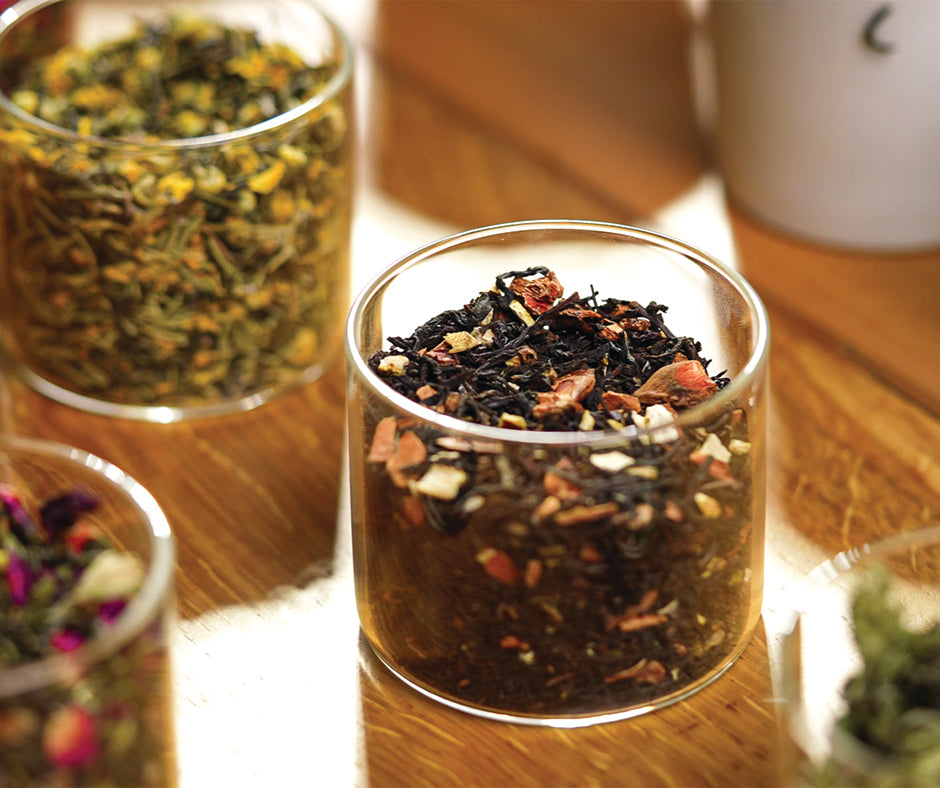
Unlike tea bags, loose leaf tea contains whole or large leaf fragments. This allows:
-
Better infusion – Leaves expand fully, releasing complex flavors
-
Higher essential oil retention – More aroma and depth
-
Multiple infusions – Especially for green, oolong, and white teas
This is why mastering the best way to brew loose leaf tea is essential to fully enjoy its quality.
Understanding the Science Behind Brewing Tea
To truly learn the best way to make tea with loose leaves, you need to understand extraction.
When tea leaves meet hot water, they release:
-
Polyphenols → provide the body with antioxidants
-
Amino acids (like L-theanine) → give sweetness and umami
-
Caffeine → adds briskness
-
Tannins → contribute bitterness if over-extracted
The goal is balanced extraction—not too weak, not too bitter.
The 5 Pillars of Perfect Loose Leaf Tea Brewing
1. Leaf Quality (The Foundation)
The best way to make loose tea starts with high-quality leaves:
-
Whole leaves > broken leaves
-
Fresh harvests > stale tea
-
Natural blends > artificial flavoring
High-quality tea gives layered tasting notes—floral, citrusy, earthy, or malty.
2. Water Quality (The Hidden Factor)
Water makes up 98% of your tea, yet it’s often overlooked.
For the best way to brew tea leaves:
-
Use filtered or spring water
-
Avoid distilled water (too flat)
-
Avoid hard water (can dull flavors)
Ideal water enhances clarity and brightness in tea.
3. Water Temperature (Precision Matters)
Temperature controls what compounds are extracted.
|
Tea Type |
Temperature |
Why It Matters |
|
Green Tea |
70–80°C |
Prevents bitterness |
|
White Tea |
75–85°C |
Preserves delicate notes |
|
Oolong Tea |
85–95°C |
Balances complexity |
|
Black Tea |
90–100°C |
Extracts full body |
|
Herbal Tea |
95–100°C |
Releases full infusion |
Using incorrect temperature is one of the biggest mistakes when learning the best way to prepare loose leaf tea.
4. Tea-to-Water Ratio (Balance)
The golden rule for the best way to make tea loose leaf:
-
1 tsp (2–3g) per 200–250 ml water
Adjust for:
-
Stronger tea → slightly more leaves
-
Delicate tea → slightly less
5. Steeping Time (The Art of Timing)
Steeping time defines taste clarity.
|
Tea Type |
Time |
Flavor Outcome |
|
Green Tea |
2–3 min |
Fresh, vegetal |
|
White Tea |
3–4 min |
Light, sweet |
|
Oolong Tea |
3–5 min |
Complex, layered |
|
Black Tea |
4–5 min |
Bold, malty |
|
Herbal Tea |
5–7 min |
Rich, full-bodied |
Mastering timing is key to the best way to steep loose leaf tea.
Step-by-Step: Best Way to Make Loose Leaf Tea
Step 1: Preheat Your Teaware
Pour hot water into your teapot and cup, then discard. This stabilizes temperature.
Step 2: Add Loose Tea Leaves
Place measured tea into a teapot or infuser with enough room for expansion.
Step 3: Pour Water at the Right Temperature
Avoid pouring boiling water directly on delicate teas.
Step 4: Cover and Steep
Let the tea steep undisturbed for the recommended time.
Step 5: Strain Immediately
Separate leaves to stop extraction.
Step 6: Taste and Adjust
Refine your process—slightly tweak time or quantity for your perfect cup.
Advanced Brewing Techniques (For Tea Enthusiasts)
1. Gongfu Brewing Method
A traditional Chinese method using:
-
More leaves
-
Less water
-
Short multiple infusions
Result: Highly concentrated and evolving flavors.
2. Western Style Brewing
The most common method:
-
Fewer leaves
-
More water
-
Longer steep
Balanced and convenient.
3. Cold Brewing (Modern Approach)
Perfect for summers:
-
Add tea to cold water
-
Refrigerate for 6–12 hours
Result: Smooth, low bitterness, naturally sweet.
How to Enhance Your Tea Experience
To truly master the best way to brew loose tea, focus on the experience:
-
Use glass teapots to watch leaves unfurl
-
Pair tea with light snacks (nuts, fruits, biscuits)
-
Create a calm tea ritual—no distractions
-
Experiment with multiple infusions
Common Mistakes That Ruin Loose Leaf Tea
Avoid these if you want the best way to make loose leaf tea:
-
❌ Boiling water for green/white tea
-
❌ Over-steeping (causes bitterness)
-
❌ Using too many leaves
-
❌ Poor-quality water
-
❌ Not allowing leaves to expand
How to Store Loose Leaf Tea Properly
Even the best way to brew loose leaf tea won’t help if the storage is wrong.
Keep your tea:
-
In an airtight container
-
Away from light, moisture, and heat
-
Away from strong odors
This preserves freshness and flavor.
Creating a Daily Tea Ritual
The best way to make loose tea goes beyond technique—it becomes a lifestyle.
-
Morning: Energizing black or green tea
-
Afternoon: Refreshing herbal or floral tea
-
Evening: Calming caffeine-free blends
This transforms tea from a drink into a mindful ritual.
Final Thoughts
The best way to make loose leaf tea is a balance of science and art. With the right leaves, water, temperature, and time, you can unlock a cup that is rich, aromatic, and deeply satisfying.
Once you master the basics, every cup becomes an opportunity to explore new flavors and refine your personal brewing style.
FAQs – Best Way to Make Loose Leaf Tea
1. What is the best way to make loose leaf tea?
The best way to make loose leaf tea is to use high-quality tea leaves, fresh filtered water, the correct temperature, and the right steeping time to achieve a balanced and flavorful cup.
2. How much loose leaf tea should I use per cup?
Use about 1 teaspoon (2–3 grams) of loose leaf tea per 200–250 ml of water. You can adjust the quantity depending on how strong you prefer your tea.
3. What is the best way to brew loose leaf tea at home?
The best way to brew loose leaf tea at home is to heat water to the appropriate temperature, add tea leaves to an infuser or teapot, steep for the recommended time, and strain before drinking.
4. What temperature is best for brewing loose leaf tea?
The ideal temperature depends on the type of tea. Green tea requires 70–80°C, while black and herbal teas are best brewed at 90–100°C.
5. How long should I steep loose leaf tea?
Steeping time varies by tea type, but generally ranges from 2 to 5 minutes. Over-steeping can make the tea bitter.
6. Can I reuse loose leaf tea leaves?
Yes, high-quality loose leaf tea can be steeped 2–3 times. Each infusion may offer slightly different flavors and aromas.
7. Why does my loose leaf tea taste bitter?
Bitterness usually occurs due to over-steeping, using water that is too hot, or using too many tea leaves.
8. What is the best way to steep loose leaf tea without an infuser?
You can add tea leaves directly to a cup or teapot and strain them using a fine mesh strainer after steeping.
9. Is loose leaf tea better than tea bags?
Yes, loose leaf tea is generally better because it contains whole leaves, offering richer flavor, better aroma, and higher quality compared to most tea bags.
10. What is the best way to store loose leaf tea?
Store loose leaf tea in an airtight container, away from light, moisture, and strong odors to maintain freshness and flavor.


Leave a comment
This site is protected by hCaptcha and the hCaptcha Privacy Policy and Terms of Service apply.