
How Do I Make Dandelion Root Tea? The Complete Guide to Taste, Quality & Brewing
Dandelion root tea has transformed from a traditional herbal remedy into a modern wellness favorite. Loved for its earthy, grounding flavor and detoxifying benefits, this tea is simple to make yet deeply therapeutic. Whether you're trying it for the first time or want to perfect your brew, this guide covers everything — from taste and quality to brewing methods and tips used by herbalists.
What Is Dandelion Root Tea?
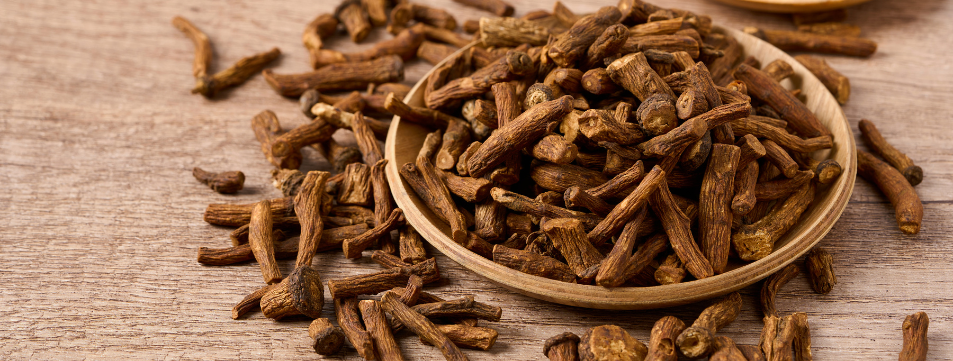
Dandelion root tea is made from the roots of the dandelion plant (Taraxacum officinale). Unlike the dandelion leaves—which are lighter, grassy, and slightly bitter—the root has a deeper, more robust flavor profile.

It’s traditionally used for:
-
Liver cleansing and detoxification
-
Digestive support
-
Reducing bloating
-
Promoting better metabolism
-
Strengthening the immune system
-
Skin health support
Caffeine-free and earthy, it is one of the most grounding herbal teas you can add to your daily routine.
What Does Dandelion Root Tea Taste Like?
Dandelion root tea has a unique and complex flavor profile:
Fresh Dandelion Root Tea Taste
-
Mildly bitter
-
Earthy, similar to burdock or chicory
-
Slight natural sweetness
-
Clean and grassy undertone
Dried Dandelion Root Tea Taste
-
More pronounced bitterness
-
Herbal, earthy, and robust
-
Slight nutty edge
Roasted Dandelion Root Tea Taste
-
Deep, rich, and toasty
-
Nutty, similar to roasted barley
-
Coffee-like bitterness
-
Smooth and full-bodied
Many people drink roasted dandelion root tea as a caffeine-free coffee alternative because of its caramelized, bold flavor.
How to Identify the Best Quality Dandelion Roots
The flavor, aroma, and benefits of your tea depend heavily on the quality of the roots you use. Here's what you should look for:

1️⃣ Organic & Chemical-Free
Dandelion roots tend to absorb chemicals from the soil easily.
Choose certified organic roots to avoid pesticide and toxin contamination.
2️⃣ Properly Cleaned & Dried
High-quality dried roots should:
-
Have no dirt residue
-
Be evenly dried
-
Not look moldy or damp
3️⃣ Vibrant Aroma
Good roots have a distinct earthy smell — not dull or musty.
4️⃣ Thick & Firm Roots
Avoid roots that are thin, soft, or crumbly.
Thicker roots brew a richer, smoother flavor.
5️⃣ Roasted Roots Should Be Evenly Toasted
If you prefer roasted root tea:
-
The color should be uniform, dark brown
-
There should be no burnt pieces
-
Aroma should be warm and nutty
6️⃣ Consider the Origin
The richest-tasting roots often come from:
-
North America
-
Eastern Europe
-
Chemical-free meadows
Avoid roadside or urban-harvested plants.
How to Source Dandelion Roots
You can either buy or harvest your own:

Buying
Look for:
-
Organic whole roots
-
Dried or roasted roots
-
Reputed herbal tea brands
Avoid powdered versions unless you like ultra-strong tea.
Harvesting Your Own
-
Choose an area free of pesticides and chemicals.
-
Dig out the taproot in early spring or late fall.
-
Wash thoroughly under running water.
-
Chop into small pieces.
-
Dry in sunlight or a dehydrator.
-
Roast if desired.
How to Make Dandelion Root Tea: Three Authentic Methods
Below are the most accurate and traditional ways to prepare dandelion root tea. Each method gives a unique taste and strength.

1️⃣ Fresh Dandelion Root Tea
Ingredients
-
2 tbsp freshly chopped dandelion root
-
1 cup water
Instructions
-
Wash roots thoroughly to remove all soil.
-
Slice into small, thin pieces.
-
Add water and roots to a pot.
-
Bring to a boil.
-
Lower the heat and simmer for 20 minutes.
-
Strain and serve.
Best For
Light, earthy, slightly sweet herbal flavor.
2️⃣ Dried Dandelion Root Tea
Ingredients
-
1 tbsp dried dandelion root
-
1 cup boiling water
Instructions
-
Add dried root to a teapot or infuser.
-
Pour hot water over it.
-
Steep for 15 minutes.
-
Strain and enjoy.
Best For
Stronger herbal taste with more bitterness and depth.
3️⃣ Roasted Dandelion Root Tea (Coffee-Like)
Ingredients
-
1 tbsp roasted dandelion root
-
1 cup water
Instructions
-
Add roasted roots to a saucepan with water.
-
Bring to a boil.
-
Simmer for 10–12 minutes.
-
Strain into a mug.
Optional for More Body
Simmer for an additional 5 minutes for a deeper flavor.
Best For
People who want a caffeine-free, coffee-style drink with nutty, toasty richness.
How to Enhance the Flavor: Creative Add-Ins
Dandelion tea pairs beautifully with these natural additions:
-
Honey or maple syrup – balances bitterness
-
Ginger – adds warmth & digestion boost
-
Cinnamon – for depth and sweetness
-
Vanilla essence – softens bitterness
-
Mint – refreshing summer version
-
Lemon – bright, cleansing finish
For a coffee-like drink:
Add a splash of oat milk or almond milk.
Dandelion Root Tea Brewing Tips from Herbalists
-
Use filtered water for the best taste.
-
For strong medicinal tea, simmer for 25 minutes instead of 15.
-
Do not boil roasted roots for too long — it becomes too bitter.
-
Store dried roots in a glass airtight jar away from sunlight.
-
Avoid aluminum pots; they affect flavor and quality.
How to Store Your Dandelion Roots
-
Fresh roots → Refrigerate up to 1 week
-
Dried roots → Airtight jar, lasts up to 1 year
-
Roasted roots → Cool, dry pantry for 6–8 months
Keep them away from moisture and strong odors.
Is Dandelion Root Tea Safe to Drink Daily?
Yes — for most people, it’s safe and beneficial.
Many herbal practitioners recommend 1–2 cups daily.
However, avoid or consult a doctor if you have:
-
gallbladder blockages
-
kidney issues
-
ragweed allergies
-
are on diuretics or blood thinners
Final Thoughts: A Simple, Powerful Herbal Ritual
Dandelion root tea is more than just a drink — it's a wellness ritual rooted in ancient herbal traditions. With its grounding earthy taste, detoxifying properties, and versatility, it’s the perfect addition to a mindful lifestyle.
With high-quality roots and the right brewing method, every cup becomes richer, smoother, and more therapeutic.


Leave a comment
This site is protected by hCaptcha and the hCaptcha Privacy Policy and Terms of Service apply.